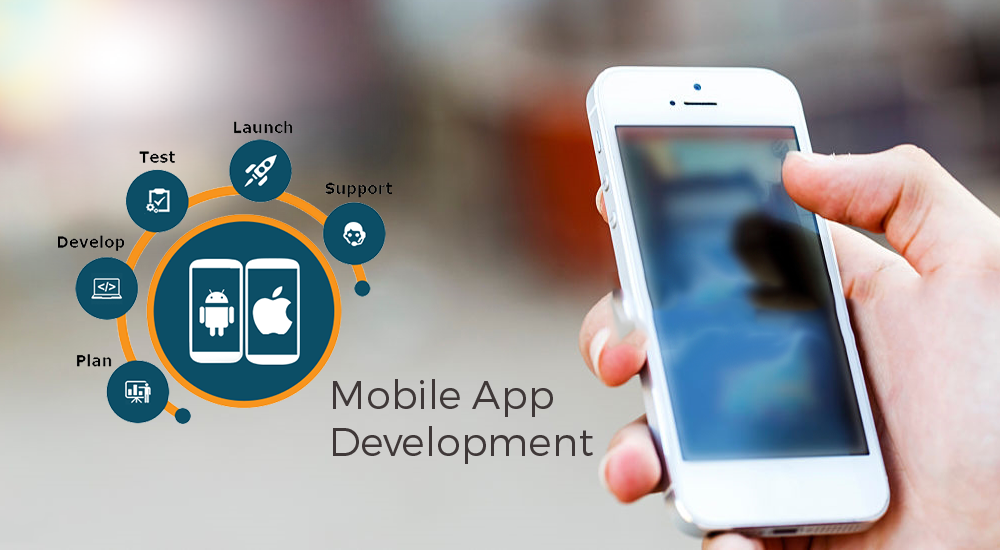
In today’s digital age, mobile applications have become an indispensable part of business strategy. Whether it’s to enhance customer engagement, streamline processes, or offer unique value propositions, a mobile app can significantly impact the success of a business. Selecting the right mobile app development services is crucial to ensuring the app not only meets the business’s needs but also stands out in a competitive market. This guide aims to provide insights into selecting the ideal development partner, considering various factors and industry best practices.
Understanding Your Business Needs
Before embarking on the journey of app development, it’s imperative to have a clear understanding of the business objectives the app is intended to achieve. Ask questions such as:
- What problem does the app solve for the users?
- Who is the target audience?
- What features are essential for achieving the business goals?
- What platforms should the app be available on (iOS, Android, etc.)?
Having well-defined objectives not only aids in the development process but also assists in establishing clear communication with potential development partners. For a comprehensive understanding of how to align app features with business goals, discover expert strategies here.
Evaluating Potential Development Partners
Experience and Expertise
Experience matters significantly in mobile app development. A firm with a diverse portfolio indicates flexibility and the ability to handle various project requirements. Consider the following when evaluating experience:
- Years in the industry
- Types of projects completed
- Client testimonials and reviews
- Industry-specific expertise
Choosing a partner with relevant experience can minimize risks and enhance the quality of the final product. To learn about our tailored solutions that cater to specific industry needs, explore more resources.
Technical Proficiency
Technical expertise is the backbone of any successful mobile app. Evaluate a developer’s proficiency in:
- Mobile technologies and frameworks
- UI/UX design capabilities
- Integration with third-party services and APIs
- Security and data protection measures
Ensuring the development team is technically sound mitigates potential development hurdles. For more on technical considerations, find out more about this approach.
Cost and Budget Considerations
Understanding the cost structure and aligning it with the budget is essential. Considerations should include:
- Initial development costs
- Ongoing maintenance and updates
- Potential cost for scaling and feature enhancements
- Licensing and third-party service fees
Transparent pricing models are crucial for maintaining a healthy financial outlook throughout the app?s lifecycle. Explore advanced guides and tips on managing costs effectively.
Post-Launch Support and Maintenance
The launch of an app is just the beginning. Continuous support and maintenance are critical to ensuring optimal performance and adapting to market changes. Key considerations include:
- Availability of support and troubleshooting
- Regular updates and feature improvements
- Feedback loops for user engagement and satisfaction
A robust post-launch strategy can significantly enhance user retention and satisfaction. Explore advanced guides and tips for effective post-launch strategies.
Conclusion
Choosing the right mobile app development service is a critical decision that can influence the success of a business’s digital strategy. By understanding business needs, evaluating potential partners, considering costs, and planning for post-launch support, businesses can ensure they select a partner that aligns with their goals. For more insights on navigating the mobile app development landscape, discover expert strategies here.
About the Author