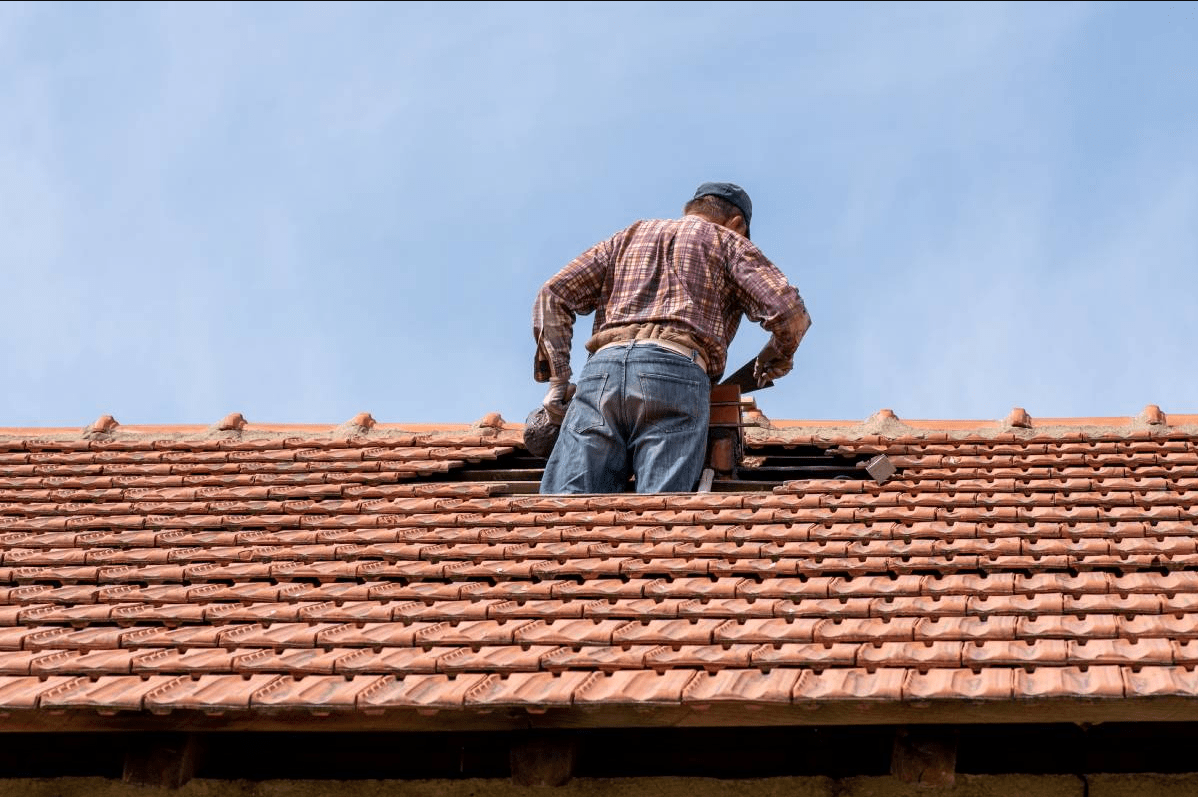
Brick structures are renowned for their durability and timeless appeal. However, time and environmental factors can lead to wear and tear, making brick repairs an essential aspect of maintaining structural integrity and aesthetic charm. Understanding the nuances of brick repairs is crucial for both property owners and professional masons. This comprehensive guide delves into the essentials of brick repairs, covering everything from identifying common issues to exploring advanced repair techniques.
Common Brick Problems
Brickwork is generally robust, but several issues can arise over time. Recognizing these problems early can prevent further damage and reduce repair costs.
- Cracking: Cracks can occur due to structural movement, thermal expansion, or moisture infiltration.
- Spalling: This involves the surface of the brick flaking off, often due to water absorption and freeze-thaw cycles.
- Efflorescence: A white, powdery residue on the brick surface, typically caused by water-soluble salts migrating to the surface.
- Mortar Deterioration: Mortar joints can degrade over time, leading to gaps and reduced structural stability.
Methods of Brick Repair
Different methods are employed to address various brickwork issues. The choice of repair technique depends on the extent of damage and the specific problem.
Repointing
Repointing is the process of renewing the external part of mortar joints. This is crucial when the existing mortar has degraded or when gaps are visible. Explore advanced guides and tips to understand the intricacies of effective repointing.
Brick Replacement
In cases of severe spalling or cracking, replacing individual bricks may be necessary. This involves carefully removing the damaged brick and inserting a new one, ensuring it matches the existing brickwork in both texture and color.
Crack Stitching
For structural cracks, crack stitching is a reliable method. This involves using stainless steel reinforcement bars to stabilize the crack. The bars are inserted into slots cut across the crack and then grouted to secure them in place.
Preventive Maintenance Tips
Preventive maintenance can significantly prolong the life of brick structures. Here are some key strategies to consider:
- Regular Inspections: Periodic inspections can help identify potential issues before they escalate.
- Waterproofing: Applying a waterproof sealant can prevent water penetration, a major cause of brick deterioration.
- Proper Drainage: Ensure that water is directed away from brickwork to reduce moisture exposure.
- Quality Materials: Use high-quality bricks and mortar to enhance the longevity of repairs.
Discover expert strategies here for maintaining brick structures efficiently.
Choosing a Professional for Brick Repairs
While some minor repairs can be handled independently, professional expertise is invaluable for extensive damage or structural concerns. When selecting a professional:
- Verify their experience with similar projects.
- Request references or reviews from previous clients.
- Ensure they use quality materials and employ skilled techniques.
Find out more about this approach here to ensure you choose the right professional for the job.
Conclusion
Brick repairs are an integral aspect of maintaining the beauty and strength of brick structures. By understanding common issues, employing effective repair methods, and practicing preventive maintenance, the longevity of brickwork can be significantly enhanced. For those seeking to delve deeper into these topics, learn about our tailored solutions to keep your brick structures in optimal condition.
About the Author