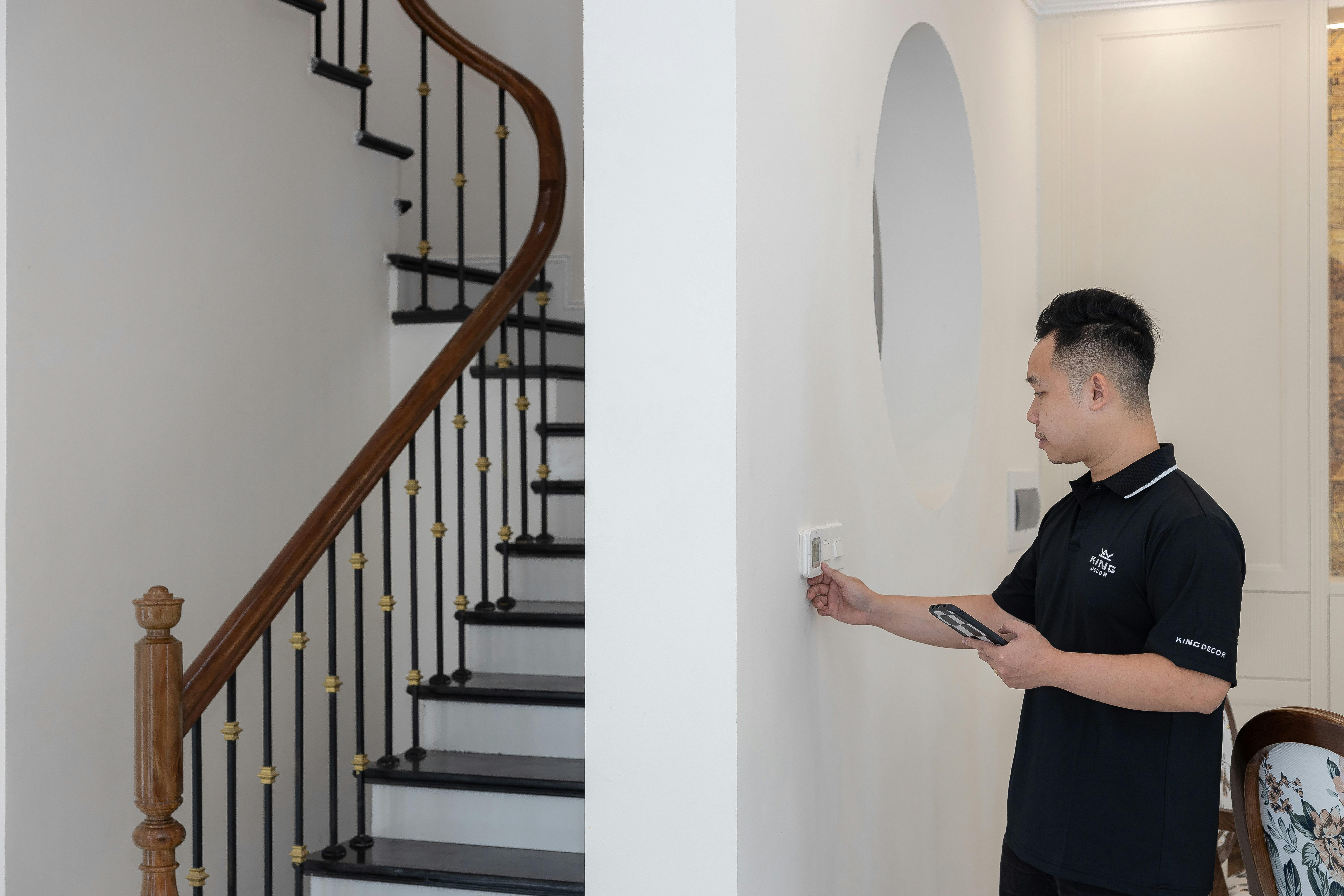
In the contemporary landscape of disability support, the integration of technology into daily living is transforming lives. The introduction of the National Disability Insurance Scheme (NDIS) in Australia has further accelerated this transformation by offering individuals with disabilities the opportunity to incorporate home automation solutions into their living environments. These solutions are not only enhancing accessibility but are also empowering individuals to lead independent and fulfilling lives. As demand for these solutions grows, it is becoming increasingly important to explore the benefits and options available through NDIS home automation systems.
The Role of Home Automation in Disability Support
Home automation technologies are designed to facilitate a range of daily activities, enabling individuals with disabilities to manage their homes more effectively. These technologies serve as a bridge to independence, offering tailored solutions that cater to specific needs and preferences.
- Smart lighting systems that can be controlled via voice commands or smartphone apps, allowing for ease of use for those with mobility challenges.
- Automated door locks and security systems that provide enhanced safety and security.
- Temperature control devices that ensure comfort without the need for manual adjustments.
- Voice-activated assistants that can perform a multitude of tasks, from setting reminders to playing music.
Key Benefits of NDIS Home Automation
NDIS home automation solutions offer numerous benefits that extend beyond mere convenience. They play a crucial role in promoting a higher quality of life for individuals with disabilities.
Enhanced Independence
With the implementation of ndis home automation, users can perform tasks that might otherwise require assistance. This autonomy not only boosts confidence but also reduces reliance on caregivers.
Improved Safety and Security
Automated systems can significantly enhance the safety and security of a home. Features such as automatic lighting, surveillance cameras, and remote monitoring ensure that individuals feel secure in their living spaces.
Customizable Solutions
One of the most attractive aspects of home automation is its adaptability. Solutions can be customized to meet the unique needs of each individual, ensuring that the technology works for them rather than the other way around.
Choosing the Right Home Automation System
With the availability of various options in the market, selecting the right home automation system can seem daunting. It is important to consider several factors to ensure that the chosen system aligns with the individual’s needs and lifestyle.
- Accessibility: Ensure that the system is easy to use and accessible for the individual.
- Compatibility: Check that the system is compatible with other devices and technologies already in use.
- Support: Opt for systems that offer robust customer support and reliable maintenance services.
- Cost: Consider the cost-effectiveness of the system in relation to the features offered.
For those seeking local smart home systems near me, exploring options within the Gold Coast area can provide access to specialized solutions that cater to the NDIS framework.
Installation and Maintenance
Professional installation and ongoing maintenance are vital components of a successful home automation strategy. Engaging with home automation installers near me ensures that the system is set up correctly and functions optimally over time. Regular maintenance checks can prevent potential issues and extend the lifespan of the equipment.
Conclusion
Empowering individuals through NDIS home automation solutions is an evolving journey that continues to unlock new possibilities for those living with disabilities. From enhancing independence to ensuring safety, these technologies offer a wealth of benefits that significantly improve quality of life. As the market expands, individuals are encouraged to explore home automation gold coast solutions that align with their specific needs and preferences. By embracing these advancements, individuals can look forward to a future where technology serves as a steadfast ally in their pursuit of autonomy and well-being.
About the Author