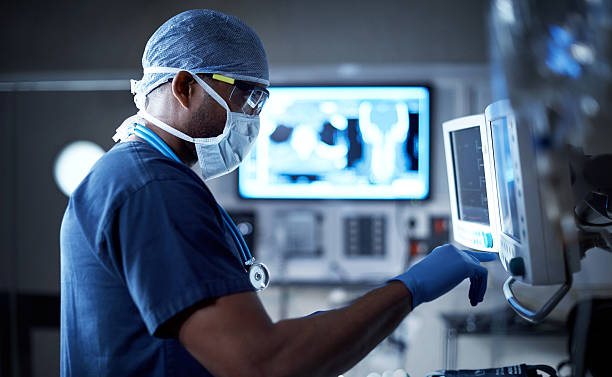
In the rapidly evolving landscape of healthcare, the role of high-quality medical equipment continues to grow in importance. Modern medical tools and equipment have become indispensable in delivering effective patient care, enhancing the capabilities of healthcare professionals, and ensuring better outcomes. The integration of cutting-edge technology and reliable instruments is crucial for maintaining the highest standards in medical practice. This article explores the significant impact of superior medical equipment on patient care and the various aspects that healthcare providers should consider when selecting these tools.
The Importance of High-Quality Medical Equipment
The utilization of high-quality medical equipment for doctors is essential for several reasons:
- Accuracy in Diagnosis: Advanced equipment ensures precise readings and accurate diagnosis, minimizing the risk of errors.
- Enhanced Patient Safety: Reliable instruments reduce complications and enhance patient safety during treatments and surgical procedures.
- Efficiency in Treatment: Equipment that is easy to use and maintain saves time and resources, improving the efficiency of healthcare delivery.
- Long-term Cost-effectiveness: Investing in durable and reliable equipment reduces the need for frequent replacements, ultimately saving costs.
Key Considerations in Selecting Medical Equipment
Quality and Certification
When selecting healthcare equipments, it is crucial to ensure that they meet the necessary quality standards and certifications. Equipment certified by recognized health authorities guarantees that they have undergone rigorous testing and evaluation, ensuring their safety and effectiveness.
Technology Integration
Modern healthcare demands the integration of technology in medical tools and equipment. Features such as digital connectivity, real-time data sharing, and user-friendly interfaces are critical for enhancing operational efficiency and improving patient care outcomes.
Usability and Maintenance
The usability of medical equipment is a significant factor in its effectiveness. Instruments should be user-friendly, with clear instructions and minimal complexity. Additionally, considerations around maintenance and support are crucial, as regular upkeep ensures the longevity and reliability of the equipment.
The Role of Medical Equipment in Specialized Care
In specialized medical fields, the reliance on specific tools cannot be overstated. For instance, medical surgical instruments play a vital role in operating rooms, where precision and reliability are non-negotiable. The availability of high-quality instruments is fundamental to the success of intricate surgical procedures, directly impacting patient recovery and outcomes.
Future Trends in Medical Equipment
The future of medical equipment is marked by innovations that promise to revolutionize patient care. Some of the emerging trends include:
- Artificial Intelligence: AI-powered diagnostic tools that enhance accuracy and speed in detecting diseases.
- Wearable Technology: Devices that monitor patient health metrics in real-time, facilitating proactive healthcare management.
- Telemedicine: Equipment that supports remote consultations and treatments, expanding access to healthcare services.
The advancement of medical tools and equipment continues to push the boundaries of what is possible in healthcare, promising a future where patient care is more precise, efficient, and accessible. As the industry evolves, the commitment to quality and innovation remains paramount in ensuring the best possible outcomes for patients worldwide.
About the Author