Ceiling water damage can be a daunting issue, often arising unexpectedly and threatening the structural integrity of a home. Whether it?s due to a leaky roof, burst pipes, or extreme weather conditions, addressing this issue promptly and effectively is crucial. This article offers professional insights into managing ceiling water damage, ensuring that homeowners can restore their ceilings with confidence and precision. By understanding the causes, recognizing the signs, and employing the right repair techniques, it?s possible to mitigate damage and prevent future occurrences.
Identifying the Source of Water Damage
Before initiating any repair work, it’s essential to pinpoint the source of the water damage. This step not only determines the scope of the repair but also prevents further issues. Common sources include:
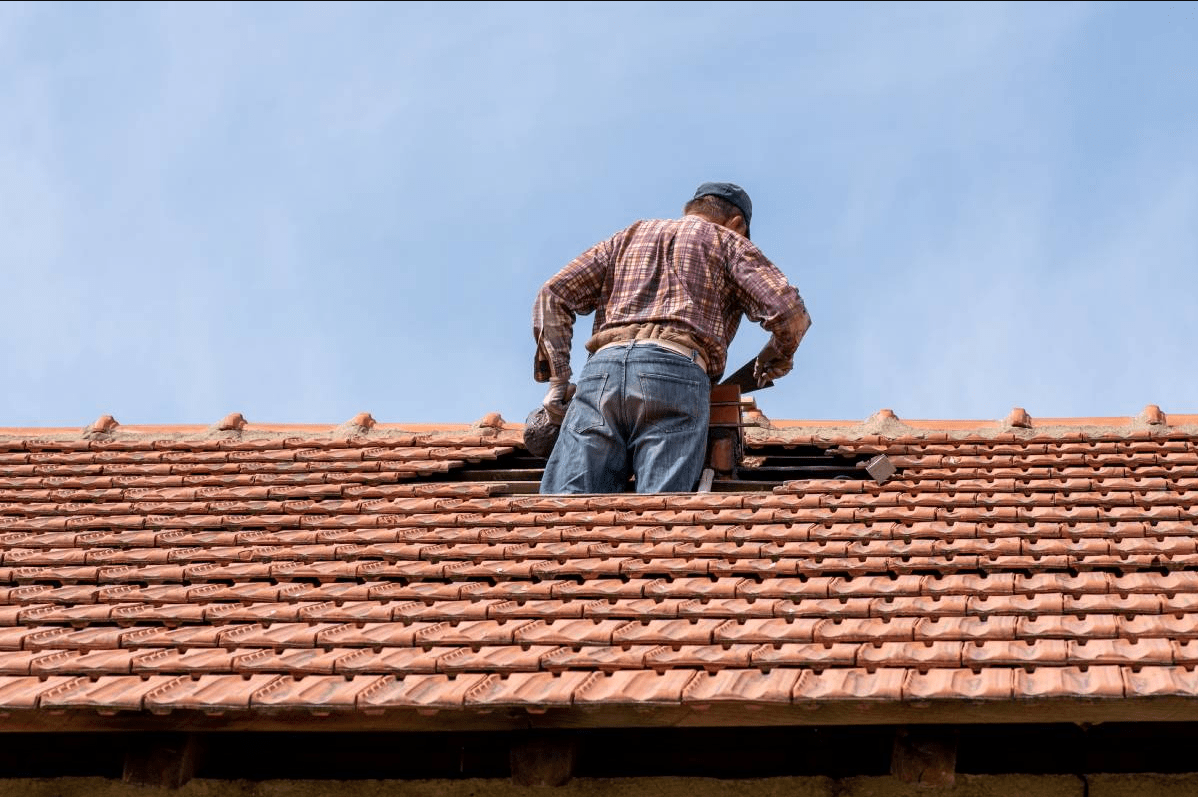
- Roof leaks, often due to damaged shingles or flashing.
- Plumbing leaks, such as burst or leaking pipes.
- Condensation from inadequate insulation or ventilation.
Understanding the source is crucial for implementing effective solutions. Discover expert strategies here.
Evaluating the Extent of Damage
Once the source is identified, evaluate the extent of the damage. This involves inspecting not only the visible damage but also assessing hidden areas. Consider:
- The size and spread of water stains.
- Structural integrity, including sagging or soft spots.
- Potential mold growth, which can pose health risks.
For a comprehensive approach, explore advanced guides and tips.
Preparing for Repairs
Preparation is key to successful ceiling repair. Follow these steps to ensure a smooth process:
- Protect furniture and flooring with plastic sheets.
- Ensure adequate lighting and ventilation in the work area.
- Gather necessary tools and materials, such as drywall patches, joint compound, and paint.
Proper preparation minimizes mess and enhances repair efficiency. Learn about our tailored solutions.
Implementing Repair Techniques
Removing Damaged Sections
Carefully cut away the damaged portions of the ceiling using a utility knife. This allows for accurate assessment of the underlying structure and prevents further deterioration. Ensure that the area is thoroughly dried before proceeding with repairs.
Applying Patches and Finishing
After removing the damaged sections, apply drywall patches to cover the holes. Secure them with joint compound and smooth out the surface to blend with the existing ceiling. Once dried, sand the area lightly and apply a fresh coat of paint for a seamless finish.
Preventing Future Water Damage
Effective prevention strategies can save homeowners from recurring issues. Consider these tips:
- Regularly inspect roofs and gutters for potential leaks or blockages.
- Insulate pipes to prevent freezing and bursting during colder months.
- Install proper ventilation in attic spaces to reduce condensation.
Find out more about this approach.
Addressing ceiling water damage not only restores the aesthetic appeal of a home but also safeguards its structural integrity. By following expert advice and utilizing tailored repair strategies, homeowners can effectively manage and prevent water damage. For additional insights and comprehensive guides, explore advanced guides and tips. To gauge the effectiveness of these strategies, check out customer reviews here and see what others are saying about us.
About the Author