Integrated Pest Management (IPM) is an effective and environmentally sensitive approach to pest management that relies on a combination of common-sense practices. Its application is based on information gathered through careful monitoring and the use of treatment strategies that are economically viable and ecologically sound. This method is gaining traction among agricultural professionals, property managers, and even homeowners who are keen to manage pests in a sustainable manner.
What is Integrated Pest Management?
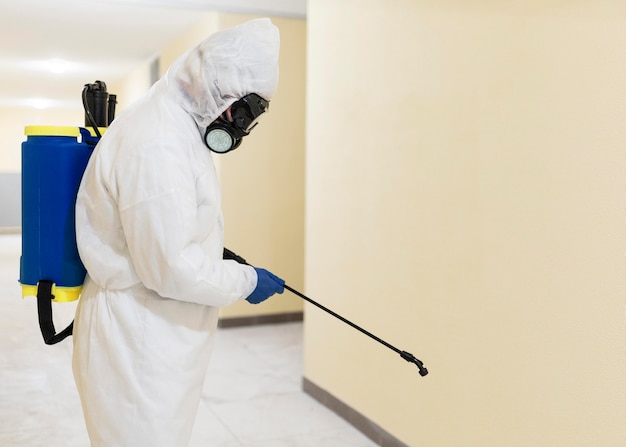
Integrated Pest Management is a comprehensive strategy that incorporates multiple methods to control pests in a way that minimizes risks to people, property, and the environment. It emphasizes the use of a balanced approach by integrating biological, cultural, physical, and chemical tools to manage pest populations effectively. IPM is not a single pest control method but, rather, a series of pest management evaluations, decisions, and controls.
Core Components of IPM
- Monitoring: Regular observation and tracking of pest populations to determine the need for control measures.
- Identification: Accurate identification of pests to ensure appropriate control methods are used.
- Prevention: Implementing practices that prevent pests from becoming a threat.
- Control: Employing a range of control tactics when monitoring indicates they are needed.
To find out more about this approach, exploring the core principles of Integrated Pest Management can provide valuable insights into sustainable pest control strategies.
Benefits of Integrated Pest Management
IPM offers numerous benefits that make it a preferred choice for pest control in various settings. These advantages include:
- Environmental Protection: By minimizing the use of chemical pesticides, IPM protects natural ecosystems and reduces pollution.
- Human Health: Reducing reliance on chemical controls decreases the risk of exposure to harmful substances.
- Cost-Effectiveness: Through targeted interventions and preventive measures, IPM can reduce long-term pest management costs.
- Sustainability: Encourages the use of environmentally friendly practices that contribute to the long-term health of agricultural and urban environments.
For those interested in implementing these strategies, discover expert strategies here for effective pest management that aligns with these benefits.
Implementing IPM in Various Settings
Agricultural Applications
In agriculture, IPM is used to enhance crop production while minimizing pest damage and conserving beneficial organisms. Techniques such as crop rotation, resistant plant varieties, and biological control agents are integral to this approach. Explore advanced guides and tips for implementing IPM effectively in agricultural settings.
Urban and Residential Areas
In urban settings, IPM helps manage pests in homes, schools, and public spaces by using a variety of methods such as improved sanitation, structural repairs, and the use of traps. This holistic strategy not only manages pests effectively but also promotes a healthy living environment. Learn about our tailored solutions for integrated pest management in urban areas.
Challenges and Considerations
While IPM offers a multitude of benefits, there are challenges associated with its implementation. These include the need for continuous education and training, initial setup costs, and the time required for monitoring and evaluating pest control strategies. Addressing these challenges is crucial for the successful adoption of IPM across different sectors.
To overcome these challenges, it is essential to stay informed about the latest pest management techniques and innovations. By doing so, individuals and organizations can ensure they are employing the most effective and sustainable pest management practices available.
In conclusion, Integrated Pest Management represents a forward-thinking approach to pest control that balances efficiency with environmental responsibility. It is a strategy that not only addresses current pest problems but also lays the foundation for sustainable pest management in the future.
About the Author