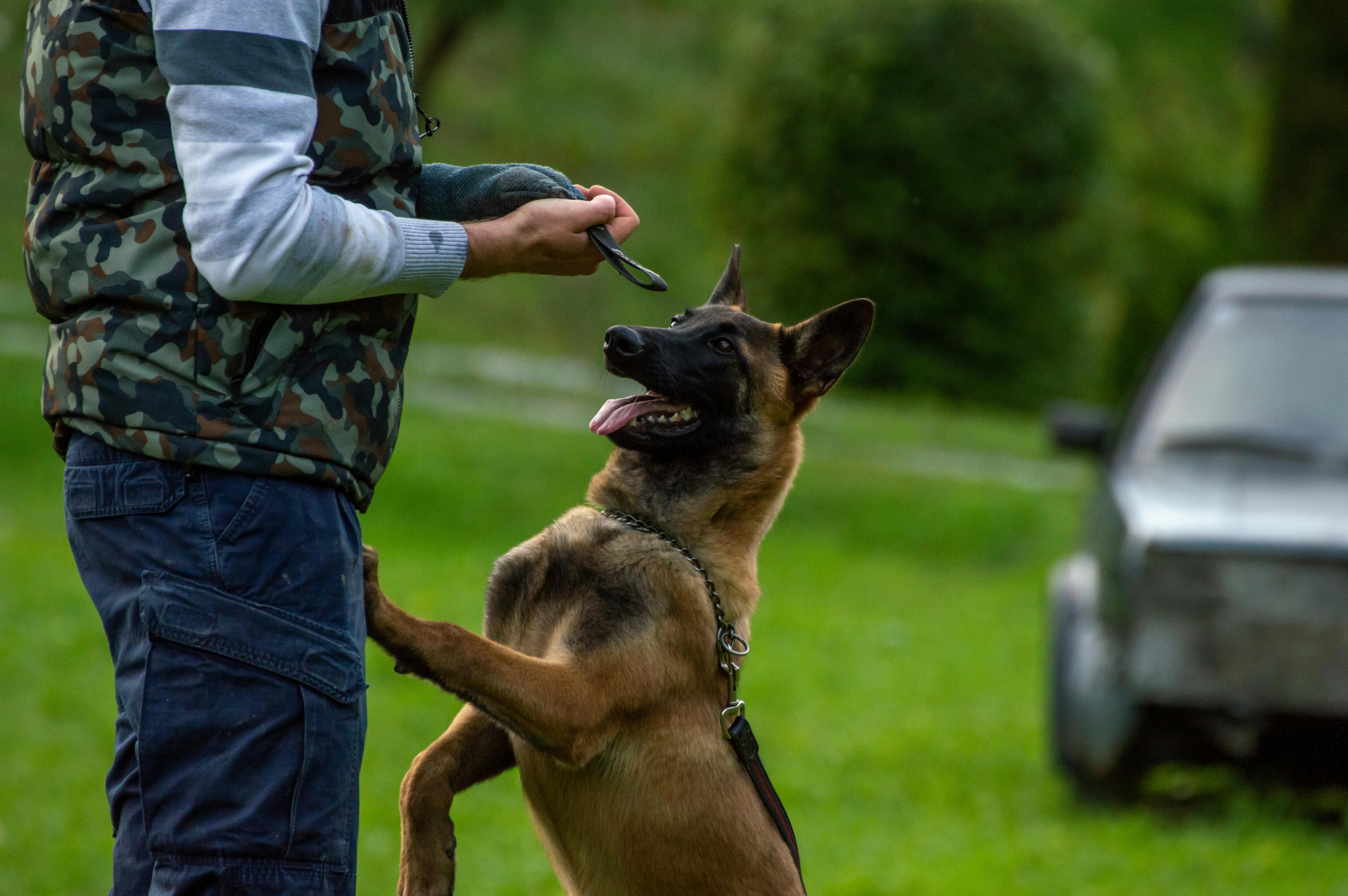
When it comes to securing the well-being and safety of dogs, choosing the right harness and lead is crucial. In Ireland, with its diverse landscapes and often unpredictable weather, finding the best fit for a dog can be both a rewarding and challenging task. This task is further complicated by the wide array of options available, each promising unique benefits. Understanding the different types of harnesses and leads, their materials, and their specific uses can make the selection process significantly easier and more effective.
Understanding Dog Harnesses
Types of Dog Harnesses
Dog harnesses come in various styles, each catering to different needs and preferences:
- Back-Clip Harnesses: Ideal for smaller dogs, these harnesses reduce pulling and are easy to put on.
- Front-Clip Harnesses: Useful for training larger dogs, they help reduce pulling by directing the dog”?s attention back to the owner.
- Duo-Clip Harnesses: These versatile harnesses offer both front and back clip options.
For those interested in exploring further, discover expert strategies here to choose the right harness for specific needs.
Materials and Durability
The material of a harness greatly affects its durability and comfort:
- Nylon: Durable and budget-friendly, suitable for everyday use.
- Leather: Offers comfort and longevity, ideal for a more classic look.
- Mesh: Lightweight and breathable, perfect for warmer climates or active dogs.
For more detailed insights on choosing the right material, learn about our tailored solutions.
Choosing the Perfect Lead
Types of Leads
Just like harnesses, dog leads come in various types, each serving a unique purpose:
- Standard Leads: Perfect for everyday walking, typically 4 to 8 feet long.
- Retractable Leads: Allows dogs more freedom to roam while still under control.
- Training Leads: Generally longer, used for teaching commands and recall.
To delve deeper into different lead types and their uses, explore advanced guides and tips.
Considerations for Lead Selection
When selecting a lead, consider the following factors:
- Material: Choose between nylon, leather, or metal chains based on the dog’s size and strength.
- Length: Shorter leads offer better control, while longer leads afford more freedom.
- Handle Comfort: Padded or ergonomically designed handles can make walks more comfortable.
For comprehensive guidance on selecting the right lead, find out more about this approach.
Fitting and Safety Tips
Ensuring the correct fit of a harness and lead is vital for safety and comfort:
- Proper Fit: The harness should be snug but not too tight. A good rule of thumb is to leave two fingers’ width between the harness and the dog’s body.
- Regular Checks: Regularly inspect for wear and tear, especially for dogs that are strong pullers.
- Training: Use a harness and lead that complements the dog’s training regimen to encourage good behavior.
For those looking to enhance their understanding of fitting techniques, explore advanced guides and tips available online.
In conclusion, selecting the right harness and lead for a dog in Ireland requires a balance of functionality, comfort, and style. By considering the dog’s specific needs and the environment in which they will be used, owners can make informed decisions that enhance the bond and safety during outdoor activities.
About the Author