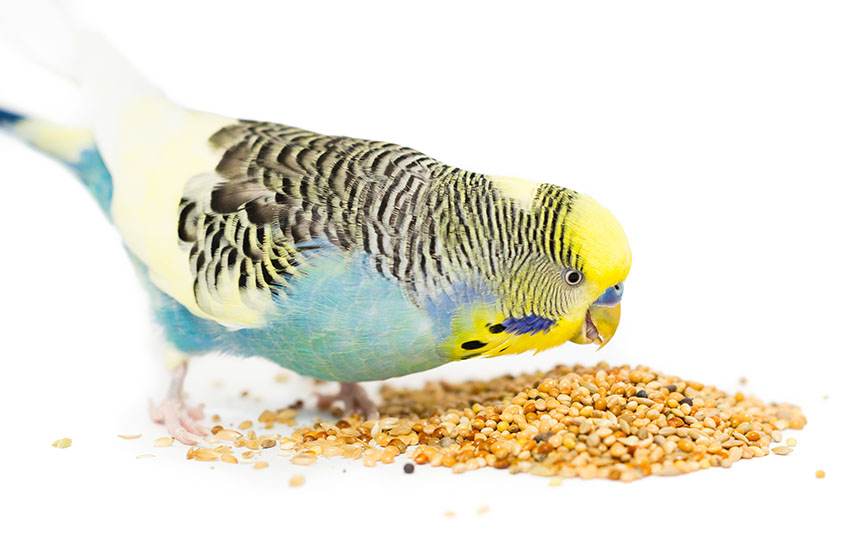
Parrots are vibrant, intelligent creatures known for their social nature and remarkable vocal abilities. Ensuring their wellbeing involves more than just providing a stimulating environment; it requires a careful consideration of their diet. A balanced and nutrient-rich diet is paramount to promoting a parrot’s health, longevity, and happiness. This article delves into the best foods to support a parrot’s wellbeing, offering insights into nutrition that caters to the unique needs of these remarkable birds.
Understanding Parrot Nutrition
Parrots require a diverse diet that closely mirrors what they would find in the wild. This includes a combination of seeds, nuts, fruits, vegetables, and grains. Each component plays a crucial role in maintaining their health:
- Seeds and Nuts: While seeds are a staple, they should not constitute the entirety of a parrot’s diet. Nuts like almonds and walnuts provide essential fatty acids and proteins.
- Fruits: Fresh fruits such as apples, bananas, and berries offer vitamins and antioxidants. However, they should be fed in moderation due to their high sugar content.
- Vegetables: Leafy greens like kale and spinach, along with carrots and bell peppers, are excellent sources of vitamins and minerals.
- Grains: Whole grains like quinoa and brown rice provide energy and fiber, supporting digestive health.
Essential Vitamins and Minerals
Parrots, like humans, require a balanced intake of vitamins and minerals to thrive. Key nutrients include:
- Vitamin A: Crucial for eye health and immune function, often found in carrots and sweet potatoes.
- Calcium: Vital for bone health, sourced from leafy greens and fortified pellets.
- Vitamin D: Supports calcium absorption and is best obtained through exposure to natural sunlight or full-spectrum lighting.
- Omega-3 Fatty Acids: Found in flaxseeds and walnuts, these support cardiovascular health and reduce inflammation.
For more detailed information on incorporating these nutrients into your parrot’s diet, discover expert strategies here.
Common Dietary Mistakes to Avoid
While providing a nutritious diet is essential, there are common mistakes that parrot owners should avoid:
- Avoid feeding foods high in salt, sugar, or fat, as these can lead to health complications.
- Steer clear of avocado, chocolate, and caffeine, which are toxic to parrots.
- Prevent over-reliance on seed-only diets; they lack essential nutrients and can lead to obesity.
Learn about our tailored solutions for creating a balanced diet here.
Incorporating Variety for Mental Stimulation
A varied diet not only meets nutritional needs but also provides mental stimulation for parrots. Engaging their natural foraging instincts can be achieved by:
- Offering a mix of fresh and dried foods to encourage different textures and tastes.
- Using foraging toys and puzzles to make mealtime more engaging.
- Occasionally introducing new foods to keep their diet exciting.
Explore advanced guides and tips to maintain an enriching mealtime experience for your parrot.
Conclusion
Maintaining a balanced and nutritious diet is fundamental to a parrot’s overall wellbeing. By understanding their dietary needs and incorporating a diverse array of foods, parrots can enjoy a vibrant and healthy life. For further guidance on optimizing your parrot’s diet, find out more about this approach.
About the Author