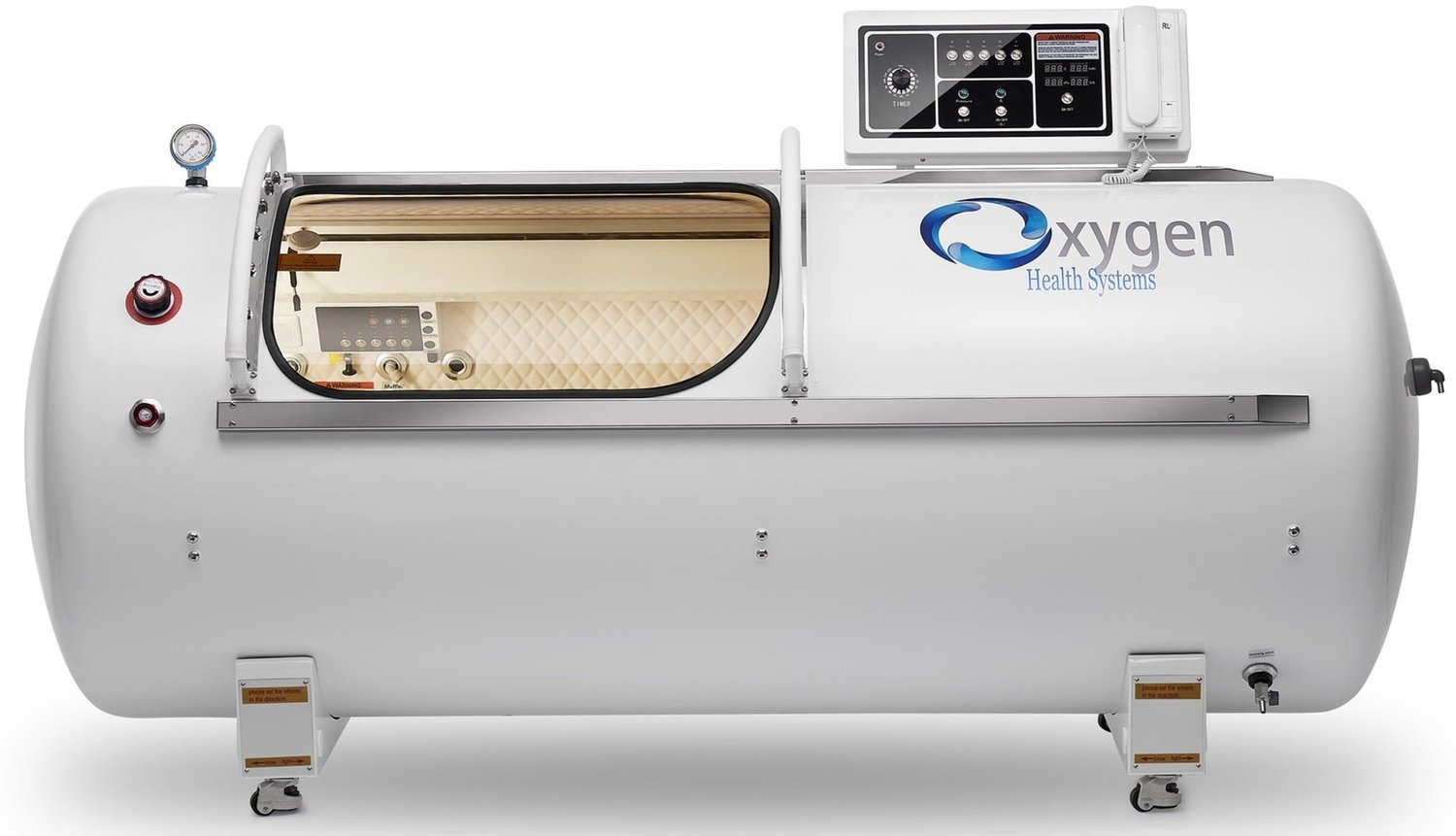
Migraine sufferers are often all too familiar with the debilitating headaches that disrupt daily life. While traditional treatments provide relief for some, others continue their search for effective alternatives. Recently, oxygen therapy has emerged as a promising solution, offering new hope for those affected by migraines. This article delves into the potential benefits of oxygen therapy, how it works, and why it could be a valuable avenue for migraine management.
Understanding Oxygen Therapy
Oxygen therapy involves administering pure oxygen to improve the body?s oxygen levels. This non-invasive treatment is traditionally used for various medical conditions, such as chronic obstructive pulmonary disease (COPD) and cluster headaches. However, its application in migraine treatment is gaining traction due to its potential to alleviate migraine symptoms effectively.
How Oxygen Therapy Works
The premise of oxygen therapy is simple: by inhaling high concentrations of oxygen, patients can potentially reduce the frequency and intensity of migraine attacks. Oxygen is believed to work by:
- Reducing the dilation of blood vessels, a common trigger for migraines.
- Improving blood flow and oxygen delivery to the brain.
- Decreasing the release of substances that cause inflammation and pain.
These mechanisms suggest that oxygen therapy may offer rapid relief during the onset of a migraine, providing a lifeline for sufferers seeking immediate comfort.
Benefits of Oxygen Therapy for Migraine Sufferers
For those exploring alternative migraine treatments, oxygen therapy presents several potential benefits:
- Non-invasive and drug-free: As a natural treatment, oxygen therapy avoids the side effects often associated with medication.
- Rapid relief: Many patients report a swift alleviation of symptoms, helping them get back to their daily activities sooner.
- Safe for frequent use: Unlike some medications, oxygen therapy can be used multiple times a day without the risk of dependency.
For those interested in learning more about the efficacy of oxygen therapy for migraines, discover expert strategies here.
Scientific Evidence Supporting Oxygen Therapy
Research into the effectiveness of oxygen therapy for migraines is ongoing. Initial studies suggest positive outcomes, with many participants experiencing a reduction in migraine frequency and intensity. Some key findings include:
- Participants receiving oxygen therapy reported a significant decrease in headache duration.
- Many patients found oxygen therapy effective as a preventive measure, reducing the overall number of migraine episodes.
- Oxygen therapy has shown promise in treating both typical migraines and those accompanied by aura.
To explore advanced guides and tips on how oxygen therapy can be integrated into a migraine management plan, learn about our tailored solutions.
Implementation and Accessibility
For those considering oxygen therapy, accessibility and implementation are crucial factors. Oxygen therapy can be administered in various settings, including:
- Home-based therapy: Portable oxygen concentrators allow for convenient treatment at home.
- Clinical settings: Many healthcare facilities offer oxygen therapy administered by professionals.
It’s essential to consult with a healthcare provider to ensure oxygen therapy is suitable for individual needs. Find out more about this approach to determine the best course of action for migraine management.
Conclusion
While migraines can be challenging to manage, oxygen therapy provides a new frontier in treatment options. Its non-invasive nature, combined with the potential for rapid relief, makes it an attractive alternative for many sufferers. As research continues to uncover its benefits, oxygen therapy may become an integral component of comprehensive migraine management strategies. For those seeking a breath of fresh air in their migraine treatment journey, exploring the potential of oxygen therapy could be a worthwhile endeavor.
About the Author