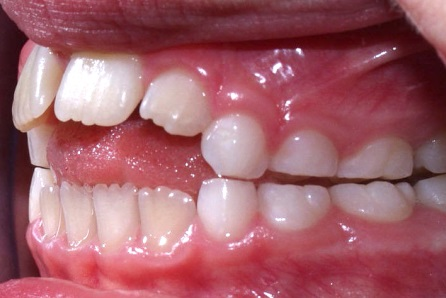
Thumb sucking is a common habit among children, often starting in infancy and sometimes continuing into early childhood. While it’s a natural reflex, prolonged thumb sucking can lead to dental issues, such as misaligned teeth and changes in the shape of the mouth. In Wentzville, several effective treatments are available to help children overcome this habit. The following information outlines the top treatments and strategies to address thumb sucking, ensuring optimal dental health for children.
Understanding the Impacts of Thumb Sucking
Thumb sucking is generally harmless until permanent teeth begin to emerge. However, if the habit persists beyond this stage, it can lead to:
- Malocclusion: Misalignment of teeth, which can affect chewing and speech.
- Palate changes: Alterations in the roof of the mouth, leading to potential orthodontic issues.
- Speech impediments: Difficulty in developing proper speech patterns due to misaligned teeth.
Addressing thumb sucking early can prevent these complications and ensure healthier dental development. Learn about our tailored solutions for managing thumb sucking effectively.
Top Treatments for Thumb Sucking in Wentzville
Behavioral Interventions
Behavioral strategies are often the first step in helping children stop thumb sucking. These include:
- Positive reinforcement: Rewarding children for not sucking their thumb can motivate them to change their behavior.
- Setting goals: Establishing small, achievable goals can help children gradually reduce thumb sucking.
- Visual reminders: Placing reminders in the child’s environment can prompt them to avoid thumb sucking.
Parents and caregivers play a crucial role in supporting these interventions. Discover expert strategies here to guide your child through this behavioral shift.
Dental Appliances
For children who need additional support, dental appliances offer a practical solution. These devices are custom-made and fitted by dental professionals to prevent thumb sucking. Common appliances include:
- Thumb guards: Worn over the thumb, these devices discourage sucking by making it uncomfortable.
- Mouth guards: Fitted inside the mouth, they create a barrier that prevents thumb sucking.
These appliances are effective when used consistently and under the supervision of a dental expert. Explore advanced guides and tips on how these tools can assist in breaking the habit.
Counseling and Support
For some children, thumb sucking may be a response to stress or anxiety. In such cases, counseling can be beneficial. Professional guidance helps children identify and manage their emotions, reducing their reliance on thumb sucking as a coping mechanism.
Combining counseling with other interventions can enhance the effectiveness of treatment plans. Find out more about this approach and how it supports overall child development.
Conclusion
Thumb sucking is a natural habit that, if prolonged, can have significant dental consequences. In Wentzville, various treatments and strategies are available to help children overcome this habit. By understanding the impacts of thumb sucking and implementing effective interventions, parents can ensure their children maintain healthy dental development. Whether through behavioral changes, dental appliances, or supportive counseling, the right approach can make a significant difference. Explore advanced guides and tips to choose the best path for your child’s needs.
About the Author