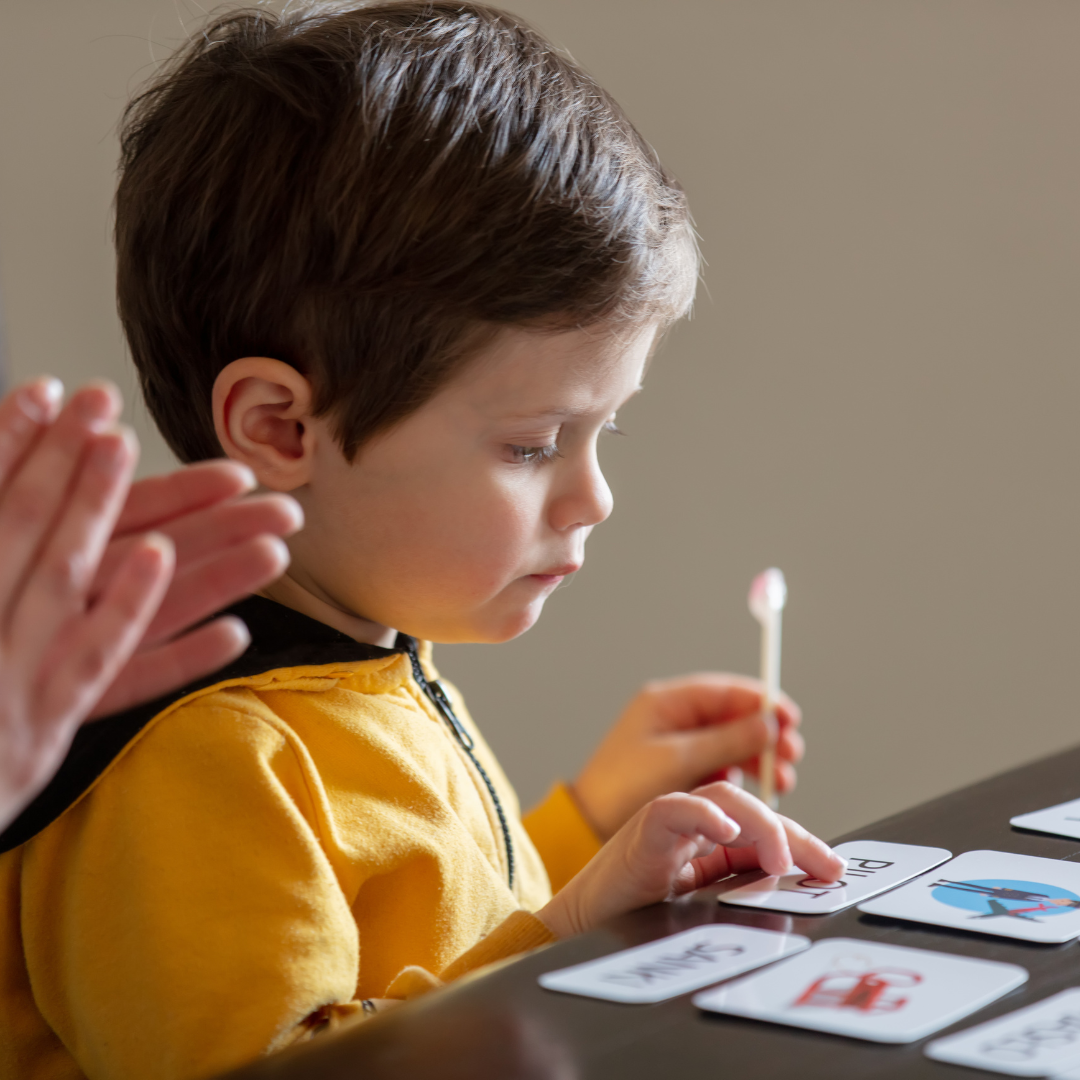
Autism Spectrum Disorder (ASD) is a complex neurological condition that affects communication, behavior, and social interactions. The spectrum nature of autism means that each individual may experience a unique set of challenges and strengths. Tailored therapy for autism spectrum aims to address these unique needs, providing personalized interventions that enhance the quality of life for individuals affected by ASD. This article explores the importance of customized therapeutic approaches and highlights effective strategies for supporting those on the autism spectrum.
Understanding the Need for Tailored Therapy
The diversity of symptoms and behaviors associated with ASD necessitates a flexible and personalized approach to treatment. Traditional, one-size-fits-all methods may not adequately address the specific needs of each individual. Instead, tailored therapy considers the following factors:
- Individual strengths and challenges
- Developmental stage and age
- Family dynamics and support systems
- Cultural and linguistic background
By acknowledging and incorporating these elements, tailored therapy can maximize the effectiveness of interventions. Discover expert strategies here that align with the unique needs of individuals with autism.
Components of Tailored Therapy
A comprehensive, tailored therapeutic approach often includes a combination of the following components:
Behavioral Therapy
Behavioral interventions are a cornerstone of ASD therapy. Applied Behavior Analysis (ABA) is a well-researched method that uses positive reinforcement to improve communication and social skills. Tailored ABA programs can be customized to suit each individual’s learning style and needs. Learn about our tailored solutions for implementing effective behavioral therapy.
Speech and Language Therapy
Many individuals with autism face challenges in communication. Speech therapy focuses on improving verbal and nonverbal communication skills, enabling more effective interaction with others. Customized speech therapy plans address specific language deficits and employ techniques suited to the individual’s preferred communication style.
Occupational Therapy
Occupational therapy helps individuals with ASD develop the skills necessary for daily living. It is tailored to enhance fine motor skills, sensory integration, and adaptive skills. Therapists work closely with individuals to identify areas of need and create personalized intervention plans. Explore advanced guides and tips on occupational therapy for autism.
The Role of Technology in Tailored Therapy
Technology offers innovative solutions for enhancing therapeutic outcomes for individuals with ASD. Digital tools and applications can be adapted to fit personal preferences and learning styles. Some technology-based interventions include:
- Augmentative and Alternative Communication (AAC) devices
- Mobile apps for skill-building and reinforcement
- Virtual reality for social skills training
- Online platforms for remote therapy sessions
These technologies provide additional avenues for engagement and learning, making therapy more accessible and effective. Find out more about this approach to integrating technology into autism therapy.
Collaborative Approach to Tailored Therapy
Successful tailored therapy for autism involves a collaborative effort among professionals, families, and individuals. Key elements of a collaborative approach include:
- Regular communication between therapists, educators, and families
- Continuous monitoring and adjustment of therapy plans
- Empowerment of families through education and support
- Active participation of individuals in setting therapy goals
Collaboration ensures that therapy is aligned with the evolving needs of the individual and fosters a supportive environment for growth and development. Discover expert strategies here for fostering a collaborative approach in tailored therapy.
In conclusion, tailored therapy for autism spectrum is essential for addressing the diverse needs of individuals with ASD. By customizing interventions to consider personal strengths, preferences, and challenges, therapy becomes more effective and meaningful. Through a combination of behavioral, speech, occupational therapy, and the innovative use of technology, individuals with autism can achieve greater independence and improved quality of life. For more information about personalized autism therapy, learn about our tailored solutions.
About the Author