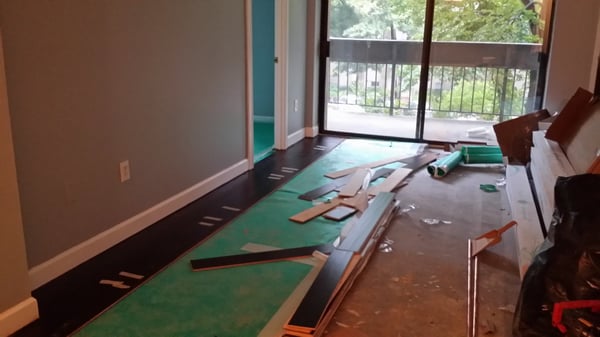
Water damage is an ever-present threat for commercial properties, often striking without warning and leaving a trail of destruction in its wake. Whether it’s a burst pipe, flooding from a storm, or a malfunctioning sprinkler system, the implications can be severe. Timely response is crucial to prevent further damage, minimize financial losses, and resume operations. Commercial water restoration services play a vital role in addressing these emergencies efficiently and effectively, ensuring that businesses can return to normalcy as swiftly as possible.
The Impact of Water Damage on Commercial Properties
Understanding the consequences of water damage is essential for appreciating the need for immediate intervention. Commercial properties are particularly vulnerable due to their size, the complexity of their infrastructure, and the value of the assets they contain.
- Structural Damage: Water can compromise the integrity of a building’s structure, affecting walls, floors, and ceilings.
- Mold Growth: Excess moisture creates an ideal environment for mold, which can spread rapidly and pose health risks.
- Asset Loss: Furniture, equipment, and stock can suffer irreversible damage if not addressed quickly.
- Operational Downtime: Business operations may be halted, leading to financial losses and reputational damage.
Timely intervention can significantly reduce these risks by addressing the root cause and implementing effective restoration techniques.
Key Steps in Commercial Water Restoration
Professional water restoration services follow a structured approach to ensure comprehensive recovery. These steps are designed to mitigate damage and expedite the restoration process.
1. Assessment and Inspection
The first step involves a thorough assessment of the affected area. Restoration specialists evaluate the extent of the damage to devise a tailored plan. Discover expert strategies here.
2. Water Extraction
Prompt removal of standing water is crucial to preventing further damage. Advanced equipment is used to extract water quickly and efficiently.
3. Drying and Dehumidification
Once the water is removed, the drying process begins. Industrial-grade dehumidifiers and air movers are employed to eliminate moisture from building materials and contents.
4. Cleaning and Sanitizing
Cleaning and sanitizing are essential to prevent mold growth and eliminate potential health hazards. This step includes treating affected surfaces and ensuring that air quality is restored. Find out more about this approach.
5. Restoration and Repairs
The final step involves repairing and restoring the property to its pre-damage state. This may include replacing drywall, installing new flooring, and repainting walls.
The Benefits of Professional Water Restoration Services
Engaging professional services offers several advantages that are crucial for effective water damage management.
- Expertise and Experience: Specialists possess the knowledge and skills necessary to handle complex restoration scenarios.
- Advanced Equipment: Utilizing cutting-edge technology ensures a thorough and efficient restoration process.
- Tailored Solutions: Services are customized to meet the specific needs of each client, ensuring optimal outcomes. Learn about our tailored solutions.
- Swift Response Time: Quick action is critical to minimizing damage and reducing downtime.
For businesses seeking comprehensive water restoration services, expert guidance and assistance are readily available. Explore advanced guides and tips to gain a deeper understanding of the processes involved.
In conclusion, the significance of timely commercial water restoration cannot be overstated. It is an investment in the longevity and resilience of a business, safeguarding both its physical assets and its operational continuity. By enlisting professional services, businesses can ensure a swift recovery and return to normal operations with minimal disruption.
About the Author