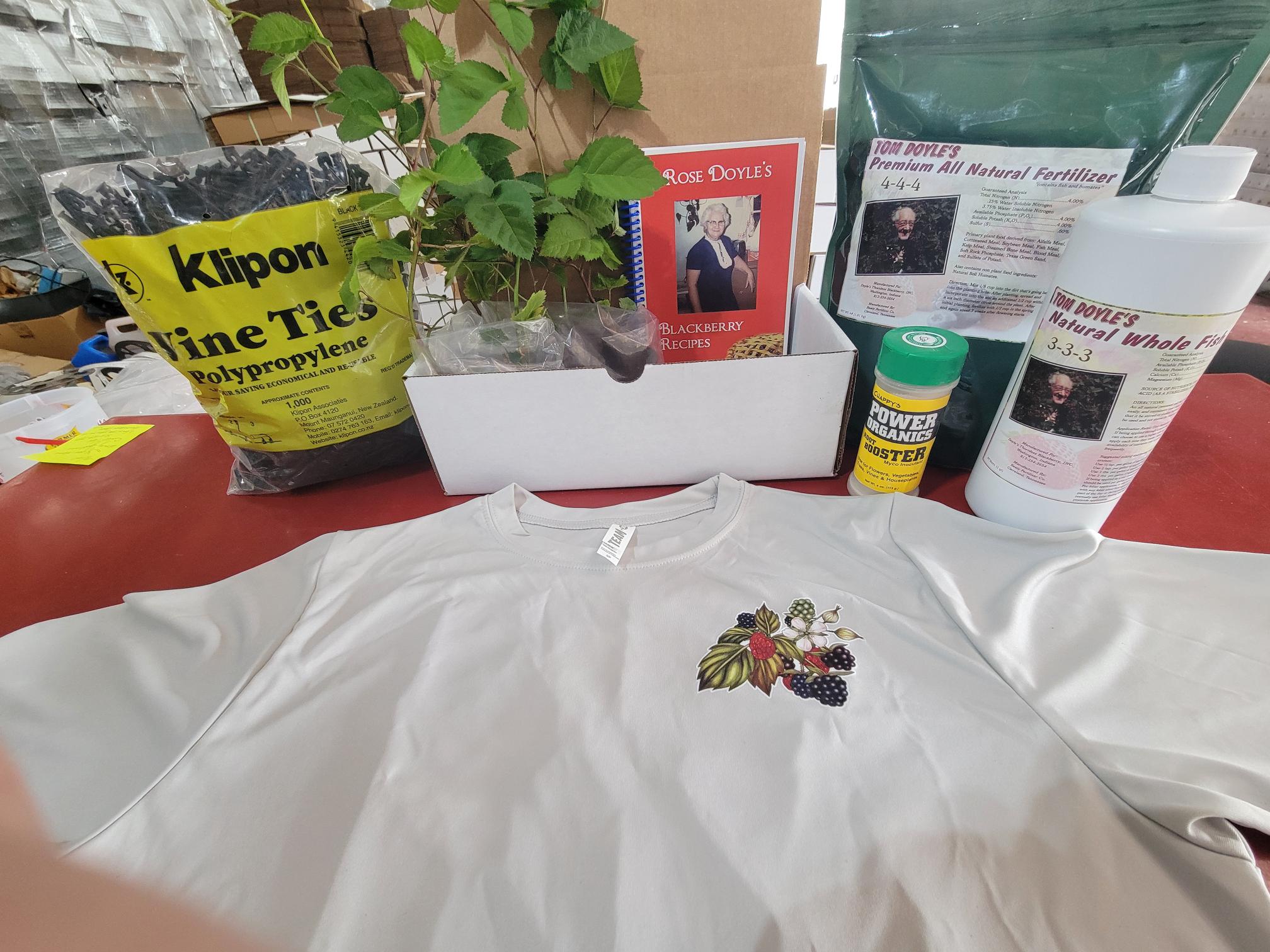
Thornless blackberries are an excellent addition to any garden, offering sweet, juicy berries without the hassle of thorns. Whether you’re a seasoned gardener or a beginner, starting with thornless blackberry plants can be a rewarding experience. These plants are not only easy to grow but also offer high yields with minimal maintenance. With proper care and the right approach, you can enjoy bountiful harvests year after year. This guide provides comprehensive insights into growing thornless blackberries from starter plants, ensuring you have the knowledge needed for successful cultivation.
Choosing the Right Starter Plants
Selecting the right starter plants is crucial for a successful blackberry patch. When purchasing starter plants, consider the following:
- Variety: There are several thornless varieties available. Choose one that suits your climate and taste preferences.
- Quality: Look for healthy, disease-free plants with robust root systems.
- Source: Obtain plants from a reputable nursery to ensure high quality. Discover expert strategies here.
Ideal Growing Conditions
Thornless blackberries thrive under specific conditions. Here are the key factors to consider:
- Sunlight: Ensure the plants receive at least 6-8 hours of direct sunlight daily.
- Soil: Well-drained, sandy loam soil with a pH between 5.5 and 6.5 is ideal.
- Space: Provide ample room for growth by spacing plants about 3-5 feet apart.
- Water: Regular watering is essential, especially during dry spells. However, avoid waterlogging.
Planting and Care
Proper planting technique and ongoing care are vital for the health of thornless blackberries:
- Planting: Dig a hole twice the size of the root ball. Place the plant at the same depth it was growing in the pot.
- Mulching: Apply a layer of mulch to retain moisture and suppress weeds.
- Pruning: Prune annually in late winter to remove dead or weak canes, promoting new growth.
- Fertilization: Use a balanced fertilizer in early spring to encourage vigorous growth. Learn about our tailored solutions.
Pest and Disease Management
While thornless blackberries are relatively hardy, they can be susceptible to certain pests and diseases:
- Pests: Watch for aphids and spider mites. Natural predators or insecticidal soaps can help manage these pests.
- Diseases: Common issues include rust and anthracnose. Maintain good air circulation and remove infected canes promptly.
- Preventive Measures: Regularly inspect plants and maintain cleanliness in the garden to prevent infestations.
For more detailed guidance, explore advanced guides and tips.
Harvesting and Storage
Thornless blackberries typically ripen in mid to late summer. To ensure the best quality:
- Timing: Pick berries when they are fully ripe, as they won’t ripen after being picked.
- Technique: Gently twist the berry to avoid damaging the plant.
- Storage: Keep harvested berries in a refrigerator and consume within a few days for optimal freshness.
Find out more about this approach.
By following these steps, growing thornless blackberries from starter plants can be a simple and enjoyable endeavor. With the right selection, care, and maintenance, your garden will soon be flourishing with these delicious fruits. Engage with the available resources and materials to further enhance your gardening experience, ensuring you make the most of your thornless blackberry plants.
About the Author