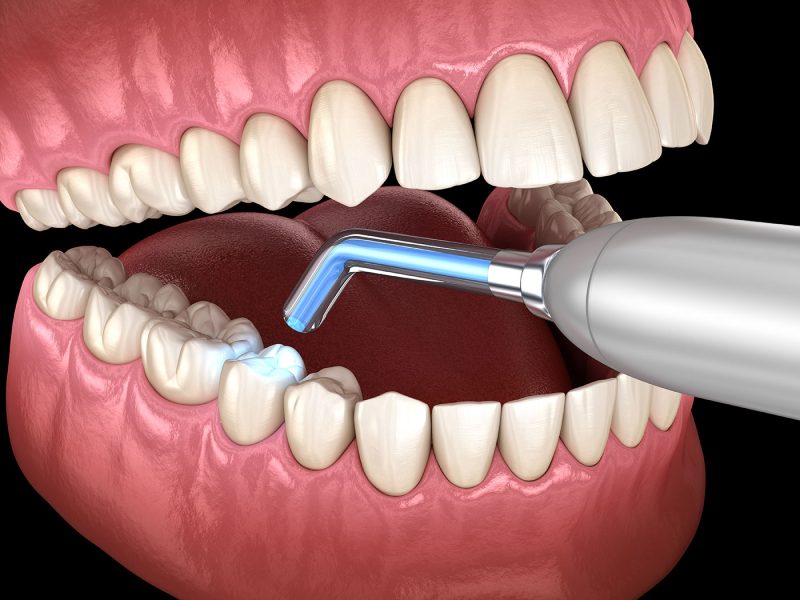
In today’s world, a confident smile is not just a reflection of happiness but a symbol of self-assuredness. However, achieving that perfect smile can sometimes require a bit of help. This is where restorative dentistry comes into play. Whether it’s due to injury, decay, or natural wear and tear, restorative dentistry offers solutions designed to rejuvenate not only the appearance but also the functionality of your teeth. Understanding the range of services available can guide individuals toward making informed decisions about their oral health.
What is Restorative Dentistry?
Restorative dentistry is a branch of dental care focused on diagnosing, managing, and treating diseases of the teeth and their supporting structures. It encompasses a variety of procedures aimed at restoring the aesthetic and function of the teeth. These procedures can range from simple fillings to more complex dental implants.
Common Restorative Procedures
- Dental Fillings: Used to repair minor tooth fractures, decay, or otherwise damaged surfaces of the teeth.
- Crowns: Often referred to as caps, these are used to restore the shape, size, strength, and appearance of a tooth.
- Bridges: These are used to replace one or more missing teeth by anchoring to the natural teeth or implants on either side of the gap.
- Dental Implants: A permanent solution for missing teeth, implants replace the tooth root and provide a strong foundation for fixed or removable replacement teeth.
Benefits of Restorative Dentistry
Choosing restorative dentistry can have numerous benefits that extend beyond just improving the aesthetics of a smile. These benefits include:
- Enhanced Oral Function: Restorative procedures can improve biting, chewing, and speaking abilities.
- Improved Aesthetics: Achieving a natural-looking smile can significantly boost self-esteem and confidence.
- Prevent Further Damage: By repairing damaged teeth, restorative dentistry helps prevent further decay and damage.
- Long-lasting Results: Many restorative options offer durable solutions that can last for many years with proper care.
Choosing the Right Restorative Option
Deciding on the right restorative option depends on various factors including the extent of the damage, budget, and personal preferences. Consulting with a skilled dental professional can help in evaluating the condition of the teeth and recommending the best treatment plan. It’s important to consider the following when making a decision:
- The type of restoration needed
- The longevity and durability of the treatment
- Cost and insurance coverage
- Expected aesthetic outcome
Maintaining Your Restorative Dentistry Work
Once the restorative work is completed, maintaining oral hygiene is crucial to ensure its longevity. Regular dental check-ups, coupled with a consistent at-home oral care routine, can help maintain the health and appearance of restored teeth. Tips for maintaining restorative dentistry include:
- Brushing twice a day with fluoride toothpaste
- Flossing daily to remove plaque between teeth
- Using an antibacterial mouthwash
- Avoiding hard foods that can damage dental work
- Scheduling regular dental cleanings and examinations
In conclusion, restorative dentistry offers comprehensive solutions for anyone looking to enhance their smile and oral health. By understanding the options available and working closely with dental professionals, individuals can achieve the perfect balance of function and aesthetics that a confident smile can bring.
About the Author