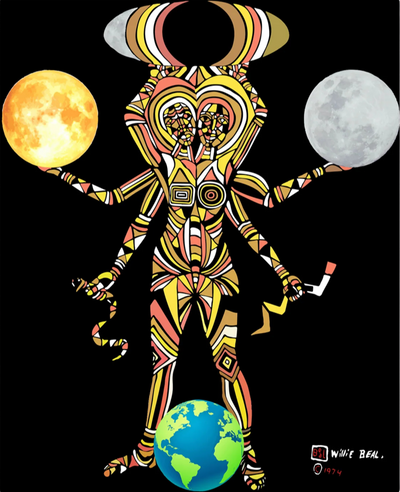
The world of art is a vast and complex tapestry, weaving together emotions, thoughts, and expressions in ways that often transcend conventional understanding. Among the various themes artists explore, the anatomy of hate stands out as particularly intriguing. As artists delve into the raw, unfiltered depths of human emotion, they create pieces that challenge viewers to confront the darker aspects of the human psyche. These works, often depicted in naked anatomy art canvas forms, peel back layers of societal norms to reveal the primal instincts that lie beneath.
The Essence of Hate in Art
Hate, a powerful and often destructive emotion, serves as a rich source of inspiration for artists seeking to understand the complexities of the human condition. In many cultures, hate is viewed as a taboo subject, one that is best left unexamined. However, in the realm of art, this emotion is embraced and explored in depth.
- Hate as a Mirror: Art reflects society, and pieces that depict hate often serve as a mirror to the viewer’s own emotions.
- Confrontation: Such art forces the audience to confront uncomfortable truths about themselves and the world around them.
- Transformation: Artists transform the raw emotion of hate into visual narratives that provoke thought and discussion.
Exploration Through Esoteric Art
In the domain of esoteric art, hate is not merely a feeling but a complex, layered phenomenon that artists unravel through their work. This form of art delves into the metaphysical and philosophical aspects of emotions, offering a fresh perspective on hate.
Metaphysical Dimensions
Metaphysical art often incorporates elements that transcend the physical world, inviting viewers to ponder the deeper meanings behind their emotions. The anatomy of hate, when depicted in such art forms, encourages a contemplation of the unseen forces that drive human behavior.
Symbolism and Allegory
Esoteric paintings often employ symbolism and allegory to convey complex ideas. Through these visual devices, artists can depict hate not just as an emotion, but as a concept that is intertwined with love, fear, and other fundamental human experiences.
The Impact of Dark Esoteric Art
Dark esoteric art, with its brooding and intense imagery, offers a stark representation of the anatomy of hate. This genre, while challenging, is critical in its ability to evoke strong emotional responses and encourage introspection.
- Dark esoteric art challenges societal norms and encourages viewers to explore their own biases and prejudices.
- It often features themes of duality, reflecting the balance between light and dark within the human soul.
- This art form encourages a dialogue about the nature of hate, promoting understanding and empathy.
Artistic Techniques in Anatomy Canvas Art
The creation of anatomy canvas art requires a deep understanding of both human physiology and psychology. Artists use a variety of techniques to convey the raw and unfiltered nature of hate.
- Layering: Artists often use layers of paint to symbolize the complexity and depth of hate.
- Contrast: High contrast between colors can be used to represent the intensity of the emotion.
- Abstract Representation: Abstract forms allow artists to depict hate in a way that is open to interpretation, inviting viewers to find their own meaning.
Naked Anatomy of Hate Paintings
The naked anatomy of hate paintings are a testament to the power of art to explore the most enigmatic aspects of human nature. By stripping away the superficial layers, these works reveal the raw, visceral core of hate, challenging viewers to confront and understand this often-misunderstood emotion.
In conclusion, art that delves into the anatomy of hate offers a unique and provocative lens through which to view the human experience. Through the use of esoteric art prints and canvases, artists invite audiences to explore the depths of their own emotions, fostering a deeper understanding of both the self and the world.
About the Author