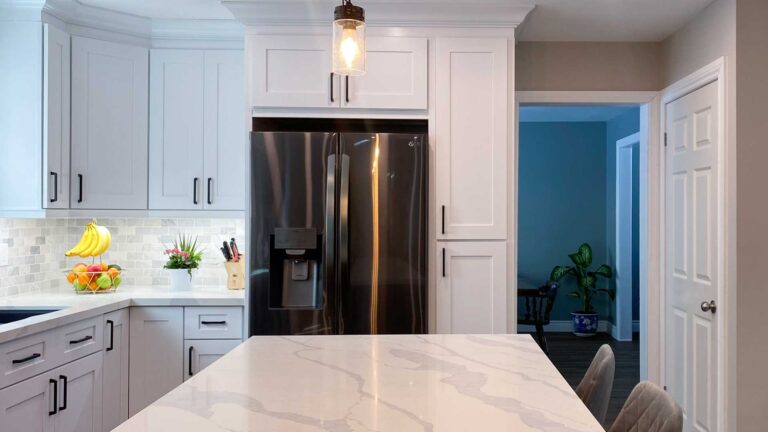
Upgrading your kitchen is an exciting venture that can significantly enhance the aesthetic appeal and functionality of your home. One of the most impactful changes you can make is installing new countertops. This process not only revitalizes the look of your kitchen but also increases the value of your property. Whether you’re aiming for a sleek modern look or a classic rustic feel, the right countertop can make all the difference.
Benefits of New Countertop Installation
Installing new countertops offers numerous advantages that extend beyond visual improvements. Here are some key benefits:
- Increased Home Value: A well-designed kitchen with quality countertops can significantly boost your home’s resale value.
- Enhanced Aesthetic Appeal: Countertops serve as a focal point in the kitchen, setting the tone for the entire space.
- Improved Functionality: New countertops can offer better durability and resistance to heat, scratches, and stains compared to older materials.
- Personalization: With a wide variety of materials and styles available, you can choose countertops that reflect your personal taste and complement your kitchen design.
For those interested in exploring the benefits further, find additional information here.
Choosing the Right Material
Popular Countertop Materials
Selecting the right material is crucial in ensuring your countertops meet your needs and preferences. Here are some popular options to consider:
- Granite: Known for its durability and unique natural patterns, granite is a top choice for many homeowners.
- Quartz: Engineered quartz offers a consistent look and does not require sealing, making it a low-maintenance option.
- Marble: Marble is prized for its elegance and timeless beauty, though it does require more maintenance.
- Laminate: A budget-friendly option that offers a wide range of colors and designs, though it may not be as durable as natural stone.
Each material has its own set of advantages and considerations. Explore further insights here to understand which material might best suit your kitchen’s needs.
Installation Process Overview
Understanding the installation process can help you make informed decisions and prepare adequately. Here is a general overview:
- Measurement and Planning: Accurate measurements are taken to ensure a perfect fit. Planning involves selecting materials and deciding on additional features such as edge profiles and backsplashes.
- Removal of Old Countertops: Existing countertops are carefully removed to prepare for the installation of new ones.
- Countertop Fabrication: The chosen material is cut and fabricated to match the precise dimensions of your kitchen space.
- Installation: The new countertops are installed, ensuring they are securely fastened and properly aligned.
- Finishing Touches: Final adjustments and sealing are completed, and any additional components like backsplashes are installed.
For a comprehensive understanding of each step, read more about this topic.
Maintenance Tips for Longevity
To ensure the longevity of your new countertops, regular maintenance is key. Here are some tips:
- Regular Cleaning: Use a soft cloth and mild soap to clean countertops regularly, avoiding harsh chemicals that could damage the surface.
- Sealing: Certain materials, like granite and marble, require periodic sealing to maintain their resistance to stains and moisture.
- Avoiding Damage: Use cutting boards to prevent scratches and trivets to protect the countertops from hot cookware.
For more detailed guidance, learn more in this detailed guide.
Upgrading your kitchen with new countertops is a worthwhile investment that enhances both style and function. By understanding the options available and following proper maintenance protocols, you can enjoy your updated kitchen for years to come.
About the Author